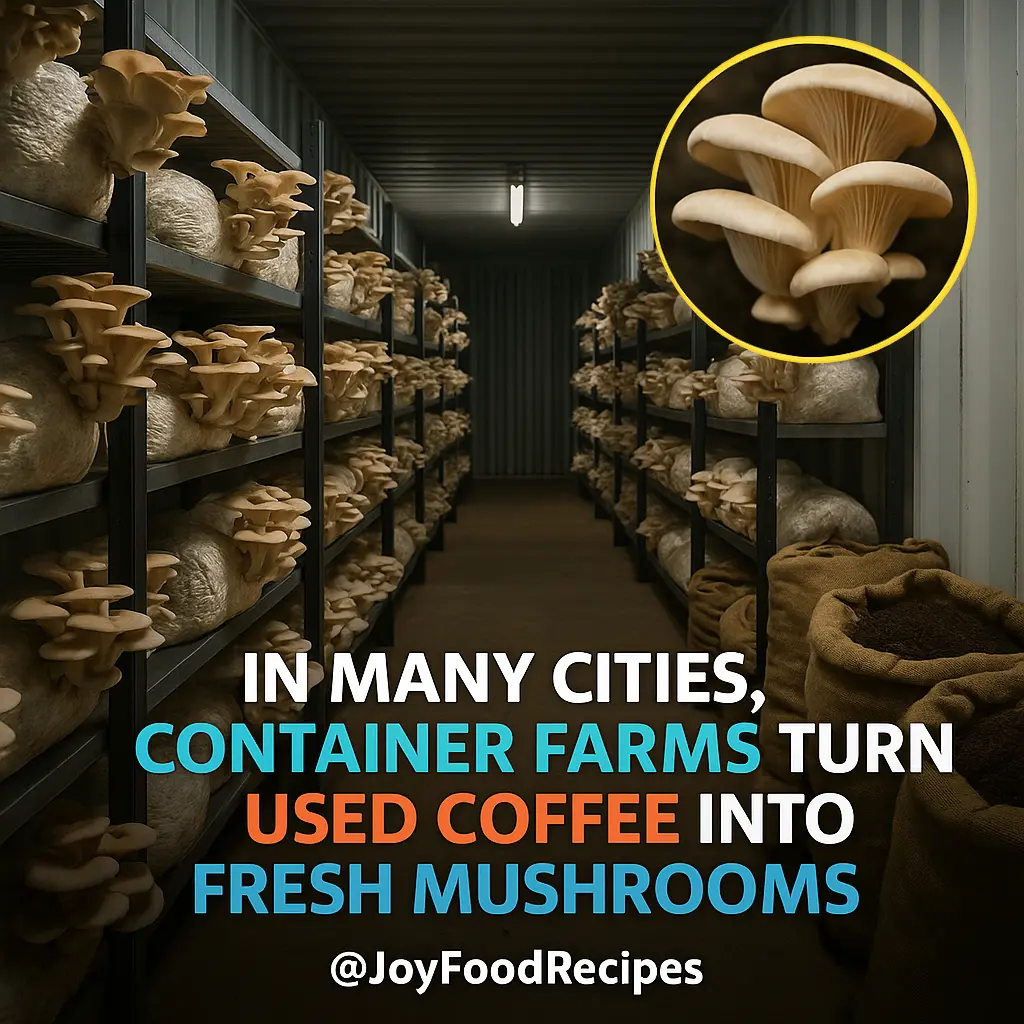
When I first heard someone say, “They’re growing mushrooms in coffee grounds now,” I thought it was a joke. My friend was visiting from the city and mentioned she saw a shipping container near her apartment where mushrooms were literally sprouting out of recycled coffee. I was both puzzled and intrigued – how could yesterday’s espresso turn into today’s dinner?
So I looked into it – and wow. This isn’t some hipster trend or science experiment. It’s a growing movement that combines smart farming with food waste solutions. Let’s explore how container farms are turning used coffee into something earthy, flavorful, and surprisingly practical – and how it might just reshape the way we grow food in cities.
What Is a Container Farm?
Imagine a regular metal shipping container – the kind you’d see on a cargo ship. Now picture it filled with shelves of growing mushrooms, cozy under soft LED lights, and warm with controlled humidity. That’s a container farm.
These self-contained mini-farms are popping up in urban areas where space is tight but the need for fresh food is real. They’re climate-controlled, easy to stack or move, and can run year-round – even in winter. And the most surprising part? Some of them use recycled coffee grounds as their growing base.
Why Coffee Grounds?
If you’ve ever brewed coffee, you know how much ground waste is left behind. And with millions of cups poured daily, cafés and homes alike toss out piles of spent grounds every single day.
Here’s the cool part: mushrooms love it. Coffee grounds are rich in nutrients like nitrogen, which helps mushrooms like oyster or shiitake varieties grow quickly and richly. Instead of throwing the grounds into the trash, these container farms collect them (sometimes from local cafes) and pack them into trays or bags. Add a bit of mushroom “starter” (called spawn), and nature takes it from there. It’s kind of beautiful, really – turning what used to be waste into food.
Why Cities Are Getting on Board
Urban areas face a unique challenge: lots of people, not much space to grow food. That’s where container farms come in. They’re compact, efficient, and low-impact. By using vertical shelving inside the container, they can produce a surprising amount of food in a small footprint.
Plus, using coffee grounds (which are already in abundance in cities) solves two problems at once – reducing food waste and producing fresh ingredients right where people live. Less long-distance transport, no massive farmland required. This can mean fresher food, reduced transport-related emissions, and stronger local food systems.
How the Mushrooms Taste
If you’re wondering whether mushrooms grown on coffee grounds taste… well, like coffee – the answer is no. What you’ll get is a tender, flavorful mushroom with a rich earthiness. Some say they’re even creamier than the store-bought kind.
They’re great in stir-fries, soups, tacos, or simply sautéed in a bit of oil with herbs. The flavor depends more on the mushroom variety and how you cook it, rather than what it grew on. Think of it like tomatoes – same grape, different soil, slightly different character.
Could You Try It at Home?
Yes! There are DIY kits that let you grow mushrooms from coffee grounds right on your kitchen counter. They usually include what you need, including instructions and mushroom spawn. All you do is collect your used coffee, mix it with the starter, and keep it slightly damp. Often within a couple of weeks, mushrooms begin to pop up.
It’s a fun project for families, students, or anyone who enjoys a little kitchen science. Plus, it’s a great way to reuse something you’d normally throw out.
Bigger Picture: Food, Waste, and Innovation
Container farms that recycle coffee aren’t just clever – they’re part of a bigger shift in how we think about food and resources. As cities grow and land becomes scarce, we need new ways to feed people that are both sustainable and local.
This approach checks a lot of boxes. It cuts down on waste, can use less water, may not require pesticides in some setups, and can bring fresh food closer to home. It also shows how simple ideas – like ‘don’t toss the coffee grounds’ – can lead to meaningful change.
Final Thoughts
What started as a curious tip from a friend turned into a peek into a world where food and sustainability meet in the most creative ways. Who knew something as everyday as coffee grounds could play a role in growing dinner?
Whether you try a home kit or just share the story, there’s something hopeful about turning waste into something nourishing. It’s a small reminder that with a bit of curiosity and innovation, we can feed ourselves in smarter, kinder ways. Let’s keep exploring them – one cup (and one mushroom) at a time.