I’ll be honest – I used to think cloves were some kind of seed or dried fruit. I had no idea they were flower buds! My mother-in-law once handed me a clove when I had a sore throat and said, “Chew this.” I was skeptical… but curious. It smelled sweet and spicy, like something you’d find in holiday baking. That one tiny bud packed such a punch – I’ve been fascinated by them ever since.
So, what exactly are cloves, and where do they come from? Let’s explore this tiny but mighty spice together – and peek into how it’s grown, harvested, and used around the world.
1. Cloves Are Unopened Flower Buds – Picked Before They Bloom
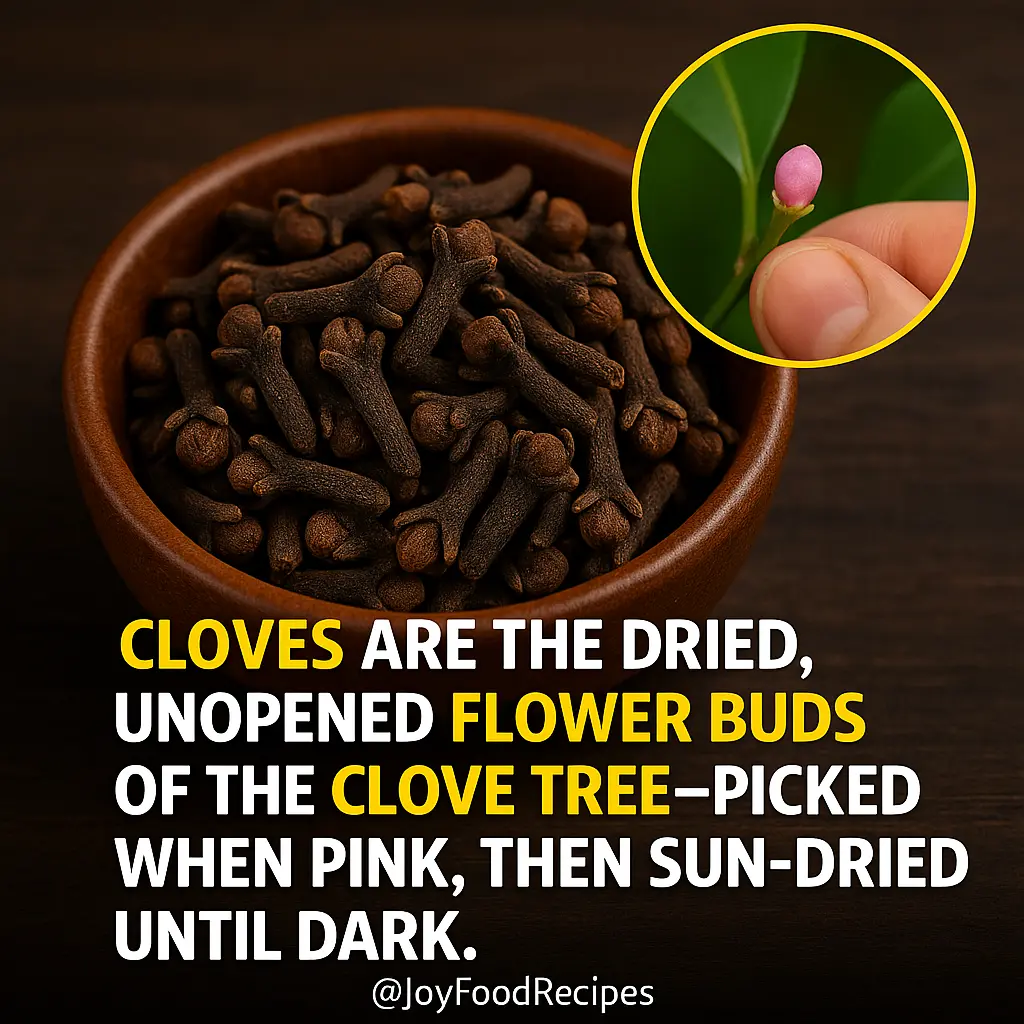
Yup, cloves are actually the dried flower buds of the clove tree (Syzygium aromaticum), which is native to the Maluku Islands in Indonesia. These trees can grow up to 40 feet tall, and the buds are harvested before they open.
When they’re picked, they’re pinkish in color and shaped like little spikes with round tops. After harvest, they’re carefully sun-dried until they darken into that rich brown color we see in spice jars.
This drying process is what intensifies their strong aroma and flavor – warm, slightly sweet, with a hint of pepper. It’s no wonder they’ve been prized for centuries in cooking and beyond.
2. The Clove Trade Has Ancient Roots (and Long Voyages)
Cloves aren’t new to the world stage. They were part of the ancient spice trade and highly valued across the Middle East, Europe, and Asia. Some historians believe cloves were found in archaeological sites as far back as 1700 BCE.
For centuries, they were so valuable that people crossed oceans to find them. Arab traders, European explorers, and even royalty once treated cloves like gold.
It’s wild to think that something so small could shape global trade and connect distant cultures – just because of its scent and flavor.
3. Why Cloves Smell So Strong (and Work in Sweet or Savory Dishes)
Ever opened a spice jar and immediately recognized that warm, almost cozy scent? That’s thanks to a compound called eugenol. It gives cloves their strong aroma and their ability to enhance both sweet and savory foods. In the kitchen, you’ll find cloves in:
- Baking – gingerbread, spice cakes, pumpkin pie
- Savory dishes – like Indian curries or spiced rice
- Stews & broths – where a clove or two adds warmth
- Holiday drinks – like warm spiced apple drinks or chai
A little goes a long way. You can use whole cloves to infuse liquids (just remember to fish them out before serving), or use ground cloves for baking.
4. Clove Trees Need Time and Patience to Produce
Growing cloves isn’t a fast process. Clove trees take several years – often 5 to 7 years – before they start producing buds suitable for harvest. And once they do, harvesting is usually done by hand, with great care to preserve the unopened buds.
The climate matters too. These trees thrive in humid, tropical areas with well-drained soil. That’s why they’re mainly found in countries like Indonesia, Madagascar, Sri Lanka, and parts of India and Tanzania.
After harvesting, the buds are spread out under the sun and dried for several days. This natural drying process is key – it brings out their dark color and signature intensity.
5. Easy Ways to Use Cloves at Home (Beyond Pumpkin Pie)
If you’re only using cloves once a year for holiday cookies, you’re missing out! Here are some simple, everyday ways to use cloves:
- Infuse rice with a couple of cloves while it cooks – especially good in basmati or jasmine.
- Simmer fruit with cloves, cinnamon, and a touch of citrus for a warm dessert topping.
- Add a pinch of ground clove to roasted vegetables like carrots or sweet potatoes.
- Try clove tea by steeping a few buds in hot water with ginger or cardamom.
Just start small – cloves are strong! A little sprinkle or a single bud can transform an entire dish.
6. Whole vs Ground: When to Use Each
You’ll usually find cloves in two forms at the store: whole and ground.
- Whole cloves are best for infusing flavor in liquids, slow-cooked dishes, or drinks. You can press one into an onion when making broth or add a few to a spiced tea.
- Ground cloves are better when you want that flavor to blend into a dish – think cookies, cakes, or spice rubs.
Tip: If you’re using ground cloves, make sure it’s fresh. The flavor fades over time, especially if the jar’s been sitting in the back of your cabinet for a few years (no judgment – we’ve all been there).
7. A Tiny Spice with a Big Cultural Footprint
Cloves have been part of rituals, traditions, and remedies for generations. In many cultures, cloves are used during festivals, weddings, or spiritual ceremonies.
In some places, people even chew whole cloves for their strong taste or use them in natural remedies (though always with care and moderation).
So when you sprinkle a little clove into your oatmeal or press one into an orange for a holiday centerpiece, you’re actually connecting to a long, rich history.
Final Thoughts: Small Bud, Big Flavor
Cloves may be tiny, but their story is surprisingly big. From the pink flower buds carefully hand-picked before blooming to their sun-dried, spice-packed finish, cloves remind us that flavor can come from the most delicate beginnings.
So next time you open that spice jar, pause for a second – you’re holding a little piece of global history, warmth, and creativity.
Go ahead – experiment with it! Try adding cloves to something unexpected and let the flavor surprise you.