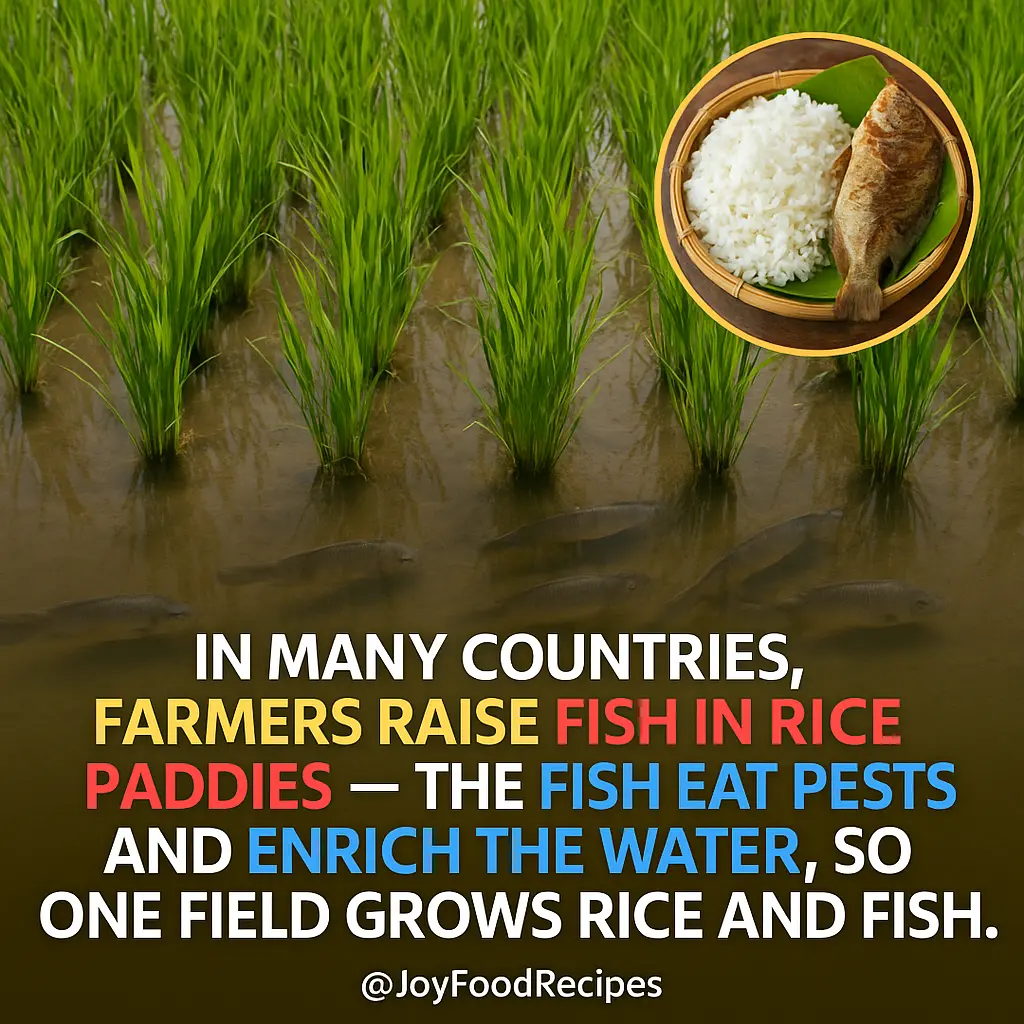
The first time I heard someone say, “You can grow rice and raise fish in the same field,” I thought they were joking. But then I saw it with my own eyes – rows of rice gently swaying in shallow water, and right beneath the surface, small fish swimming around like they owned the place. It wasn’t a pond. It wasn’t a fish tank. It was a rice field that fed two kinds of dinner at once.
Ever since that day, I’ve been hooked. It made me rethink what we consider “normal” in farming – and how nature often has better ideas than we do. This article explores the incredible system behind rice-fish farming, how it works, and what we can all learn from it (even if we’re not farmers).
What Exactly Is Rice-Fish Farming?
Let’s start with the basics. Rice-fish farming is when farmers raise fish (like tilapia or carp) in flooded rice paddies. It’s not a new invention – it’s actually been practiced in parts of Asia for over 1,000 years. But it’s making a quiet comeback, especially in places that want to farm smarter, not harder.
Here’s the magic: the fish help the rice, and the rice helps the fish.
As the fish swim around, they eat pests like insects and snails that would normally harm the rice. They also stir up the water, which gives the rice roots more oxygen. Meanwhile, the rice plants shade the water, helping to keep it cool and clean for the fish. It’s teamwork, farm-style.
Why Are People Talking About It Again?
A friend of mine, who’s big on sustainable living, told me she saw a video about rice-fish farming in a college class – and she couldn’t stop talking about it. So I looked it up. Turns out, this isn’t just a cute farm trick – it’s a real solution to some pretty big food problems.
Let’s face it: many parts of the world are struggling with how to grow enough food without using up too much land or water. Rice-fish systems help with both.
Since both foods grow in the same space, farmers don’t need extra land. And because fish waste naturally fertilizes the rice, there’s less need for added chemicals. That means cleaner water, healthier soil, and less pollution overall. It’s like getting a bonus meal from the same patch of earth.
What Kind of Fish Are We Talking About?
You won’t find giant fish like tuna swimming through rice fields. But smaller, freshwater species do great in this setup. Some common choices include:
- Tilapia – easy to raise and quick to grow
- Common carp – known for being tough and adaptable
- Catfish – a favorite in many Southern kitchens
The type of fish depends on local climate, culture, and taste. But the key is that the fish need to do well in shallow water and not mess up the rice. And yes, the fish are fully edible – many families who farm this way end up cooking the fish fresh with rice they just harvested. (Talk about farm-to-table!)
Could This Work in the U.S.?
Honestly, yes – and in some places, it already is. Farmers in parts of California, Louisiana, and Arkansas (where rice is a major crop) have started testing these systems. The biggest challenge isn’t the fish – it’s figuring out how to make the setup work with modern machinery and weather patterns.
But it’s not just for large-scale farming. Some urban farms and backyard growers have been experimenting with small versions using plastic tubs or garden beds.
If you’ve got a patch of space and a curious heart, you can give it a try.
What’s It Like to Eat From a System Like This?
Imagine this: you’re sitting down to a meal with fluffy steamed rice and a piece of pan-seared fish. Now picture knowing both came from the same place, grown naturally, and supported each other as they grew. There’s something incredibly satisfying about that.
People say the rice from these systems often tastes cleaner and richer because it absorbs nutrients from the fish-friendly water. And the fish? They tend to have a fresher, more delicate flavor – especially if they’ve been swimming in clean, shaded water. It’s like nature made the seasoning for you.
The Bigger Picture
You don’t have to be a farmer to be inspired by rice-fish farming. It’s really a story about balance – how two things that seem different can work together, and how looking backward (to ancient practices) can help us move forward in smarter ways.
This method reminds us that we don’t always need more land, more water, or more tech. Sometimes, we just need better ideas – and the willingness to let nature do its thing.
If we’re going to feed the future, this kind of thinking might be exactly what we need. And who knows? Maybe someday we’ll see more farms like this all across the U.S. – where every field feeds us twice.