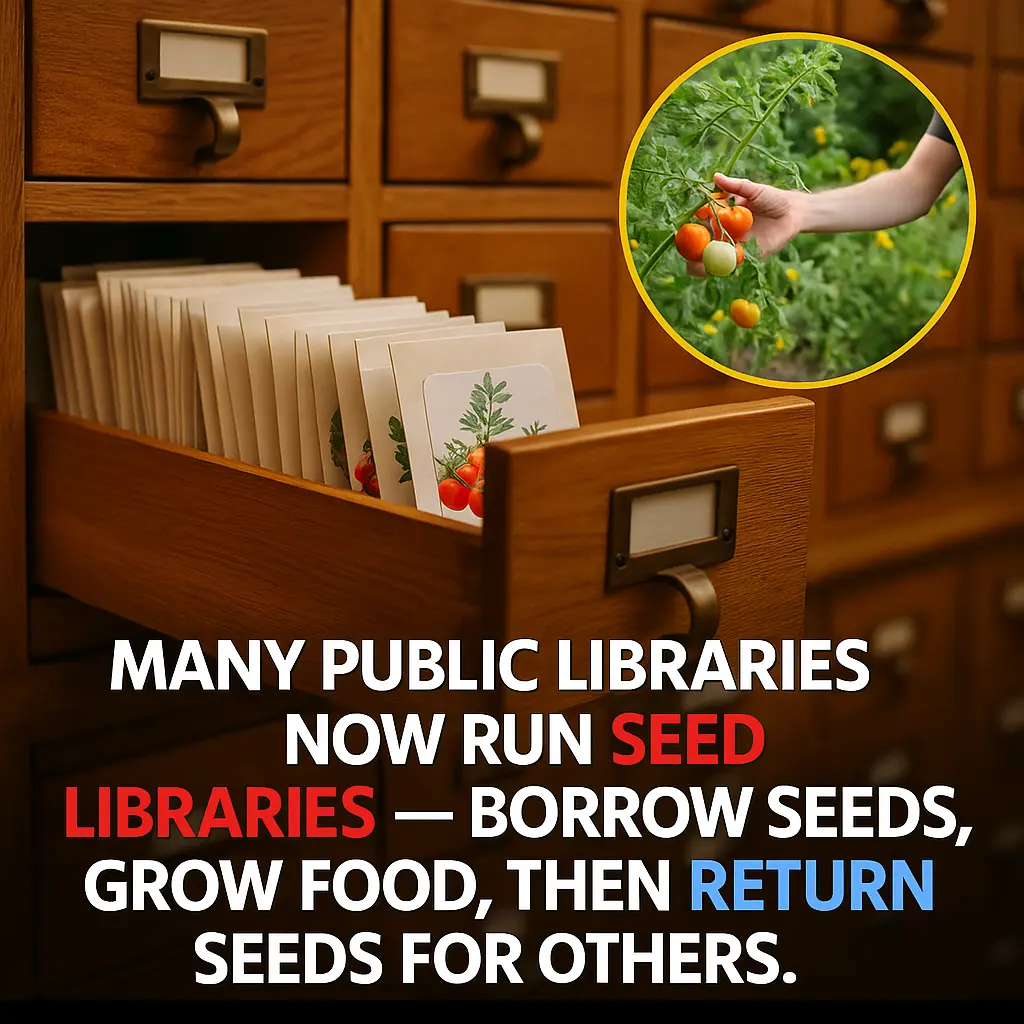
I was picking up a cookbook at our local library last spring when I noticed something odd near the checkout desk – a little cabinet full of seed envelopes. At first, I thought it was some kind of donation box, but then the librarian smiled and said, “Oh, that’s our seed library! You can borrow seeds to grow at home – and if you’re able, bring back seeds at the end of the season for someone else.”
I was floored. I’d never heard of anything like that. Since then, I’ve grown tomatoes, lettuce, and even marigolds – all from seeds borrowed from the library. It felt like borrowing a little promise, planting it, watching it grow, and then paying it forward. Let’s explore this hidden gem and why it’s blooming across the country – maybe you’ll want to try it too.
What Is a Seed Library, Exactly?
Seed libraries are just what they sound like – places where you can borrow seeds instead of books. You check them out, plant them, and (if you can) return fresh seeds after harvest for the next gardener.
They’re often tucked into public libraries, community centers, or small neighborhood gardens. Some are as simple as a filing cabinet filled with seed packets and hand-written labels. Others offer seasonal displays, gardening tips, or even classes for beginners. But the idea is always the same: grow something, then give back.
It’s less about perfection and more about participation – you don’t have to be a master gardener. Even if your first crop fails, you’re still welcome to try again.
Why People Love It (And Why It’s Growing)
The first time I took home a packet of heirloom cherry tomato seeds, I felt like I was carrying treasure. It wasn’t just about saving money on plants – it felt like becoming part of something older, more generous.
Here’s why seed libraries are quietly becoming a beloved part of local life:
1. They Make Gardening Easier to Start
Seeds can be surprisingly expensive, especially when you’re just starting out. A seed library removes that barrier. You don’t need to invest a lot – just pick up a few packets, try your hand, and see what sprouts.
2. They Encourage Local Resilience
The more we grow our own food – even in pots or windowsills – the more connected we are to what we eat. It’s empowering. Plus, sharing seeds that thrive in your local soil helps others succeed too.
3. They Build Community, Quietly
There’s something quietly special about knowing your basil or beans started from someone else’s backyard. Every seed returned carries a story, a season, a bit of hope. That kind of slow sharing creates connection, even among strangers.
What Can You Borrow? And How Does It Work?
Most seed libraries work like this:
- Choose your seeds: Each packet usually has a label with the plant name, growing tips, and sometimes the date it was harvested.
- Grow at home: Whether you have a garden, balcony, or sunny kitchen windowsill, there’s likely something you can grow.
- Save seeds if you can: Once your plants produce seeds, you dry and label them, then return them to the library.
Not all plants are easy to save seeds from – and that’s okay. Many libraries say “returning is optional,” especially for beginners. The focus is on sharing and experimenting, not perfection. You might find seeds for:
- Tomatoes, beans, or squash
- Herbs like basil, cilantro, or dill
- Flowers like zinnias, cosmos, or sunflowers
- Leafy greens like lettuce or kale
It changes with the seasons and depends on what others have shared.
You Don’t Need a Big Garden (or a Green Thumb)
Before I tried it, I assumed you needed a yard or greenhouse. But here’s what I’ve learned: a few pots by a sunny window are enough. I grew radishes in a recycled baking dish. Basil in a mug. Green onions in a plastic container on the windowsill. And it worked. Slowly, messily, but wonderfully.
If you’re curious, start with something small and forgiving – like lettuce, herbs, or marigolds. These grow quickly, even in containers, and can give you a little burst of green to cheer up your space. And if it doesn’t work out the first time? No problem. That’s part of the adventure.
How to Find a Seed Library Near You
Not every town has one – but more are popping up every season. Here’s how to look:
- Ask your local public library: Even if they don’t have one, they might know of one nearby.
- Search online for “seed library + your town or state.”
- Check community gardens or co-ops – some run seed swaps or seasonal seed sharing tables.
- Start your own: If there isn’t one, it doesn’t have to be fancy. Even a shoebox with envelopes and a sign can get people started.
Why It Matters (And Why It Feels So Good)
Planting a seed is such a tiny act – but it carries so much possibility. A seed library isn’t just about vegetables or flowers. It’s about:
- Reclaiming the joy of growing something yourself.
- Connecting with your neighbors, even quietly.
- Creating beauty and nourishment, one sprout at a time.
- Passing something forward, season by season.
You don’t have to do it perfectly. Just starting is enough.
Try It This Season – You Might Be Surprised
If you’re looking for something grounding, gentle, and quietly joyful, seed libraries are a great place to begin. Even if you only grow a few herbs in a jar, you’ll feel it – that little thrill of watching something come to life.
You don’t need to be an expert. You don’t need fancy tools. Just a few seeds, a bit of curiosity, and maybe a cup of soil. Happy growing!