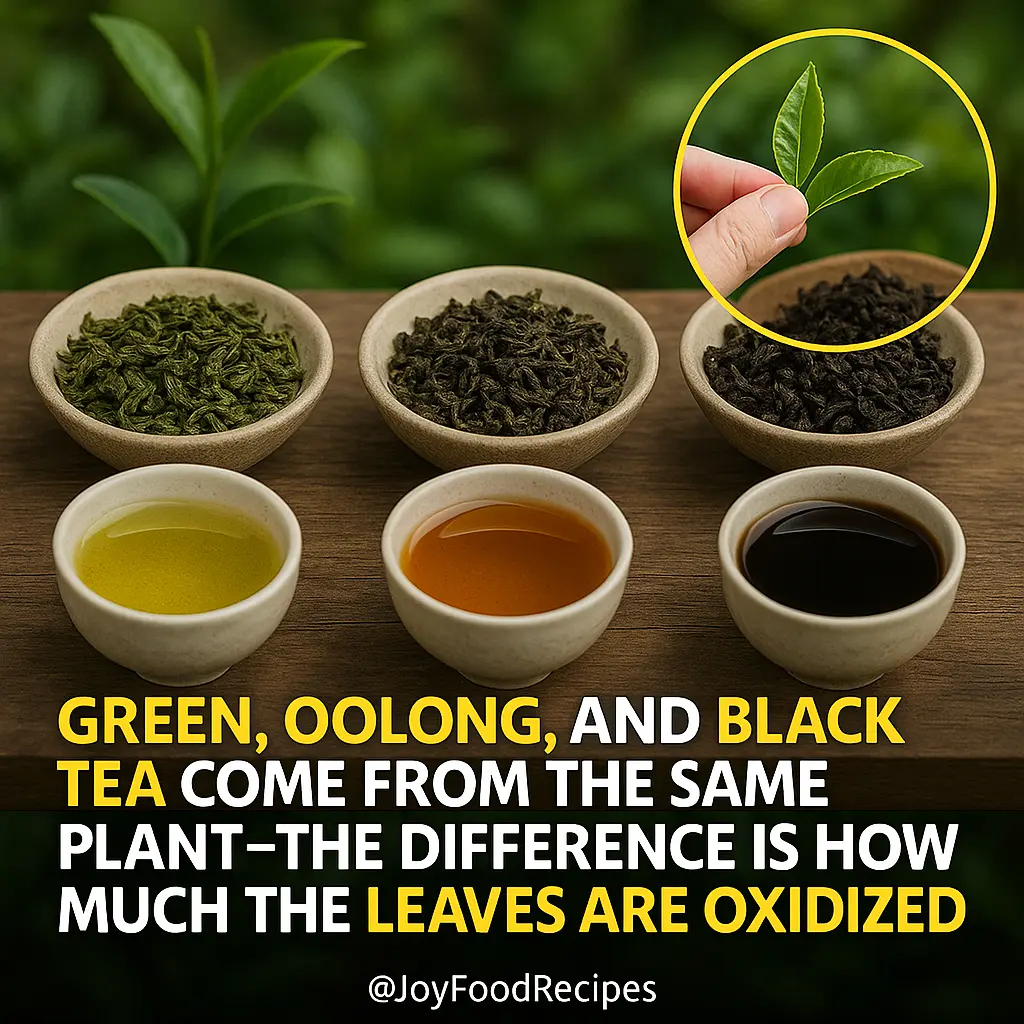
I always thought green tea was the “healthy one,” black tea was the strong one, and oolong… well, I wasn’t even sure what that was. Then one afternoon, while helping my aunt clean out her pantry, I found three different boxes of tea – each with a different name, color, and description. She chuckled and said, “They’re all from the same plant, you know.” Wait – what?
That small comment sent me down a rabbit hole of teacups, leaf drying techniques, and oxidation timelines. And what I discovered completely changed how I see my favorite cozy drink. If you’ve ever wondered what really separates green, oolong, and black tea – or how one plant can become so many flavors – this article is for you.
Let’s explore what makes each tea unique, and how you can enjoy them with fresh appreciation.
One Plant, Three Teas: Meet Camellia sinensis
Let’s start at the root – literally. All three types of tea come from the same evergreen shrub called Camellia sinensis. That includes green tea, oolong, and black tea. So why do they taste and look so different? It’s not about the plant. It’s about how the leaves are handled after they’re picked.
This process is called oxidation – which just means how much air the leaves are exposed to after harvest. It changes the leaf’s color, aroma, and flavor. A little like how a sliced apple turns brown over time. The more the tea leaves oxidize, the darker and more robust they become.
So next time you sip a rich black tea or a delicate green one, remember – it’s not a different plant. It’s just nature, timing, and a little bit of patience.
Green Tea: Quick, Gentle, and Grassy
Green tea is the least oxidized of the three. In fact, it’s barely oxidized at all. Once the leaves are picked, they’re quickly steamed or pan-heated to stop oxidation in its tracks. This locks in their light green color and fresh, grassy flavor. It’s like pressing “pause” on the leaf before it starts to change.
Because of this gentle handling, green tea often has a mild, slightly sweet or vegetal taste. Some people describe it as earthy or nutty, depending on the region it comes from.
Try it when you want something light and calming. It’s great in the afternoon, especially with a little honey or a citrus slice. Just be sure not to steep it too long – green tea can get bitter if left in hot water too long.
Oolong Tea: The In-Between Wonder
If green tea is on one side of the spectrum and black tea is on the other, oolong tea lives beautifully in the middle. Oolong leaves are partially oxidized – somewhere between 10% and 80%, depending on the style. This gives them a range of flavors, from floral and creamy to toasty and rich. Some oolongs are rolled into tight little balls, others are twisted or curled.
My friend once brought back oolong tea from a trip to Taiwan, and I was shocked by how complex it was. It started floral, then ended with a hint of roasted sweetness. I had to double-check I wasn’t drinking dessert.
If you like trying new things or enjoy tea with a more layered personality, oolong is a fun place to start. It’s also a lovely pairing with light meals or baked treats.
Black Tea: Bold, Strong, and Fully Oxidized
Black tea goes all the way when it comes to oxidation. The leaves are picked, allowed to fully oxidize, and then dried. This gives them their deep brown or black color and strong, malty flavor.
It’s the type of tea most people in the USA grew up drinking – whether it’s iced in a tall glass with lemon or steaming in a morning mug. Think of English Breakfast, Assam, or Earl Grey – those are all black teas.
Because it’s more robust, black tea stands up well to milk, spice, and sweeteners. It’s also the base for many chai blends. And if you’ve ever used it in baking (yes, that’s a thing!), you’ll know how it adds a rich depth to cakes and cookies. If you need a pick-me-up or something warm and hearty, black tea is your go-to.
Brewing Tips: Same Leaf, Different Rules
Even though these teas come from the same plant, they like different treatment in the cup.
- Green tea prefers cooler water (about 160–180°F) and a short steep (1–2 minutes).
- Oolong likes it warmer (around 185–205°F), with a bit longer steep (2–4 minutes).
- Black tea handles boiling water (200–212°F) and a 3–5 minute steep beautifully.
It’s a small shift, but it makes a big difference in flavor. Try brewing them side by side sometime – you’ll be amazed by the color and aroma changes alone.
One Leaf, Endless Stories
What really struck me as I dug into this topic was how one simple leaf can transform into so many different experiences. It reminded me of how we’re shaped by our choices and environments – just like tea leaves.
Whether you like your tea bright and light or dark and bold, it all starts from the same place. It’s the little changes – how long we wait, how much we expose ourselves to the world – that shape our flavor.
So the next time you sip your favorite brew, take a moment to appreciate the journey it took to get to your cup. Cheers to curiosity, comfort, and that first warm sip.